
Marota City, Damascus: what buyers should know in 2026
Syria’s largest planned development is building again after the change of government. Here is what actually exists on the ground, what the published prices are, how buying works in practice, and the checks that come before any payment — reported from our office in Kafr Souseh, a few minutes from the site.
Marota City generates more questions from buyers abroad than any other name in the Damascus market: is the project still going, is it safe to buy into, and are the advertised prices real? Fair questions — this is the biggest construction site in Syria, and its file has been through major turns in the past two years.
We follow the project daily: its plots, its offers, and its paperwork. This guide collects the full picture — the master plan, the real state of construction, what changed after the fall of the former government, and the buying process step by step.
- A 2,149,000 m² planned district on the Basateen al-Razi lands behind Mezzeh — the largest single development zone in Syria.
- The plan: 186 residential towers and 33 commercial buildings, around 12,000 apartments for some 60,000 residents.
- Construction is active: 74 plots licensed by mid-2026, several towers close to completion, services not yet open.
- A May 2026 package of decisions addressed compensation and alternative-housing rights and confirmed the state is proceeding with the project.
- Published prices run $1,000–2,500 per m², depending on the plot, construction stage and finish.
What Marota City is
Marota City is the commercial name of the first zoning area created under Legislative Decree 66 of 2012, on the Basateen al-Razi lands in southwest Damascus — directly behind the Mezzeh district, bordering Kafr Souseh and the southern ring road. The name is Syriac and means “sovereignty”.
What separates it from anything previously built in the capital: it is not infill and not renovation. It is a complete district raised from bare ground on a single master plan — residential and commercial towers, a mall, schools, parks, and infrastructure laid new from below the street up.
The same decree created a second, larger zone south of the ring road, known as Basilia City (Syriac for “paradise”). Basilia remains at a much earlier stage than Marota.
Looking for property in Damascus? Tell us the area and budget — we search, view and verify the title deed on your behalf.
The master plan in numbers
| Item | Figure |
|---|---|
| Total area | 2,149,000 m² |
| Residential towers | 186, of 11 to 22 storeys |
| Commercial and office buildings | 33, the tallest planned at around 50 storeys |
| Housing units | ~12,000 apartments for ~60,000 residents |
| Shopping mall | 120,000 m² |
| Green space | 750,000 m² |
| Schools and kindergartens | 17 |
| Health facilities | 2 health centres and a fire station |
| Places of worship | 5 |
| Apartment sizes | 90 to 450 m², with duplex options |
The infrastructure specification is new territory for Syria: underground service tunnels carrying the utility networks, fibre optics to the towers, a centralised gas network described as the country’s first, modern waste handling, and parking under the buildings rather than on the streets.
Who runs it — and who actually builds the towers
Supervision sits with the Damascus Governorate through two bodies: the Decree 66 Implementation Directorate, which keeps the zone’s registries and processes rights and transfers, and Damascus Cham Holding, a company founded in 2016 and wholly owned by the governorate, acting as its investment arm.
The towers themselves are not built by one entity. The land is divided into plots, and each plot belongs to shareholders — some are original rights-holders, others are developers and investors who bought shares later. A party that assembles a plot’s shares and obtains a building licence constructs its tower and sells the units. Towers therefore differ widely in pace, finish quality and the reliability of the company behind them — and that difference is the single most important thing for a buyer to understand.
After the fall of the former government, the governorate appointed engineer Ibrahim Hanano in January 2025 to supervise both the Decree 66 Directorate and Damascus Cham Holding, and opened a wide review of the zone’s files.
Where construction actually stands
Groundwork began in 2017; the frame of the first tower was completed in late 2021. Reports from June and July 2026 put the picture as follows:
- 74 plots hold building licences, with work under way on most of them.
- Several towers have reached advanced finishing stages; some are close to completion.
- Main roads and networks are partly executed; the operating services — schools, the mall, health centres — have not opened.
Put plainly: Marota City today is an active construction site, not a district you can move into. A buyer in 2026 is buying off-plan or in a tower under finishing, and the delivery horizon differs sharply from one plot to the next. Ask when your plot delivers, not when “the city” will be ready.
What changed after 2024
Work paused after December 2024, and the whole file went under government review. A joint committee of the Ministry of Public Works and Housing and the Damascus Governorate has been re-examining the alternative-housing criteria and the rules for transferring subscriptions, with official talk of amending the executive decisions issued under the former government. Construction then returned gradually to the licensed plots through 2025 and 2026.
In May 2026 the governorate announced the clearest package of decisions since the change:
- Annual rent stipends for alternative-housing beneficiaries raised 35-fold, backdated to 1 January 2026, with arrears from previous years to be paid — the eighth disbursement batch went out in July 2026.
- Rights restored to more than 1,000 families who had been excluded from registration on “security grounds” under the former government.
- A commitment to build 54 towers reserved for alternative housing, delivered to beneficiaries on ten-year instalment plans.
One thing should be said directly: the zone was created on the Basateen al-Razi lands, and since 2012 the treatment of the area’s original residents has drawn well-documented objections. That file is not a side issue for a new buyer — the cleaner those older rights become, the stronger the legal position of everyone buying today. We read the 2026 decisions as a positive signal, with the review still open.
The government review of Decree 66 and its executive decisions has not closed. That does not make buying illegitimate — it means verifying the standing of your specific plot with the Decree 66 Directorate is a step you cannot skip before paying.
Prices in 2026
Published 2026 reports put Marota City at $1,000–2,500 per m². The range is wide because the project is not one product:
- Off-plan units in recently licensed plots price well below units in towers already at the finishing stage.
- Plots facing the main avenues and parks price above the inner ones.
- Long instalment schedules show up in the price per metre compared with cash deals.
For context within Damascus, that range sits alongside regulated Kafr Souseh and Malki — see the district table in Damascus property prices in 2026 — but buys a new build to a specification the existing housing stock rarely offers.
Prices move with the exchange rate and the cost of building materials, and serious offers change week to week. Treat the figures above as orientation, and ask us what is actually available when you read this.
For what is on the market this week, across Marota and the rest of the city, see property for sale in Damascus.
The three ways to buy
1. Buying zoning shares in a plot
You buy a share of the land of a tower that is not yet licensed or not yet started. Cheapest entry, longest wait, highest risk — and it requires knowing exactly how many shares correspond to a built square metre in that specific plot.
2. Buying off-plan from a developer
You sign with the company executing a licensed plot: a down payment, then instalments usually tied to construction milestones. Here the developer’s name and delivery record become the most important unwritten clause in your contract.
3. Buying in a tower close to completion
The highest price and the clearest view of what you are getting — you can inspect the unit, the finish and the common areas before paying. The right fit if you want delivery soon and accept the premium for certainty.
In all three routes, rights pass through the zone’s own registries at the Decree 66 Implementation Directorate until the final unit-level land registry sheets are created. Insist on properly documented contracts, and ask specifically how the apartment ends up registered in your name.
Verify before you pay
- The plot’s licence: ask for the building-licence number and date and verify it — licensed plots are the exception, not the rule.
- The seller’s standing: a developer that actually holds the plot’s shares, or a shareholder recorded in the zone’s registries. A broker’s contract alone is not enough.
- Your unit’s share count: the number of shares or the percentage corresponding to your apartment, in writing.
- The payment schedule: milestone-linked instalments with an explicit clause covering construction delays.
- The plot’s standing with the governorate: any warnings, deadlines or measures under the ongoing review.
- A site visit: compare the real stage of construction against what the advertisement claims, before signing.
Our full method for checking any Syrian property is in the due-diligence guide; the process for buying from abroad, power of attorney included, is in the diaspora guide.
Inside the towers
We have reviewed the approved drawing set of one residential tower in the zone (official approval dated 2020). It gives a concrete sense of what is being built:
- Three apartments per floor, ranging 151 to 274 m².
- A typical layout: salon, dining room, master bedroom with its own bathroom, two or three further bedrooms, kitchen and balconies. Units above 250 m² add a second salon and a service room.
- A service core with three lifts, a main staircase and a fire escape.
- A commercial base of duplex shops across the ground and first floors, up to roughly 170 m² per level.
Designs differ between plots, but the specification explains where Marota sits in the market: large, modern apartments built to standards most of the existing Damascus stock cannot match.
Frequently asked questions
Is Marota City real, or still on paper?
Real and moving: 74 licensed plots by mid-2026, towers in advanced finishing, infrastructure partly executed. It is not yet a serviced district, and delivery dates differ plot by plot.
Who owns and manages the project?
The Damascus Governorate supervises it through the Decree 66 Implementation Directorate and Damascus Cham Holding, which it owns outright. The towers are built by companies and investors holding the plots’ shares.
Is buying in Marota City legal and safe?
Buying is legal and runs through the zone’s own registries. Safety depends on the specific plot: its licence, the seller’s standing, and your contract. The wider file is under government review, which makes verification before payment a requirement, not a nicety.
What does a square metre cost today?
Published 2026 figures run $1,000–2,500 per m², set by the plot, construction stage, view and finish. Offers change weekly — ask us what is current.
Can I buy in instalments?
Yes, in many towers: a down payment followed by milestone-linked instalments. Get the full schedule into the contract, including what happens if construction slips.
Can I buy from abroad without travelling?
Yes, through a notarised power of attorney — the same mechanism as any Syrian property. The steps, and how transfers work after sanctions relief, are in our diaspora guide.
When will Marota City be ready to live in?
There is no single official date. Some towers will deliver well before others, and the services — schools, the mall, health centres — open in stages. Ask about the delivery horizon of the specific plot you are considering.
What is the difference between Marota City and Basilia City?
Two zones of the same decree: Marota, on Basateen al-Razi, came first and is far ahead in execution; Basilia, south of the ring road, remains at a much earlier stage.
- Damascus Governorate — package of decisions on the Marota and Basilia City files, May 2026 (Enab Baladi, Syria TV)
- SANA — eighth batch of alternative-housing rent stipends, July 2026
- Syria Report, HLP section — the Marota and Basilia files after 2024
- Imtilak Real Estate — Marota City project guide, June 2026 (master-plan figures and prices)
- Approved architectural drawings of a residential plot in the zone, 2020 (Elmas archive)
A guide for orientation, not legal advice. The zone’s regulations are being issued and amended in stages — verify the standing of any specific plot with the competent authorities before signing or paying anything.
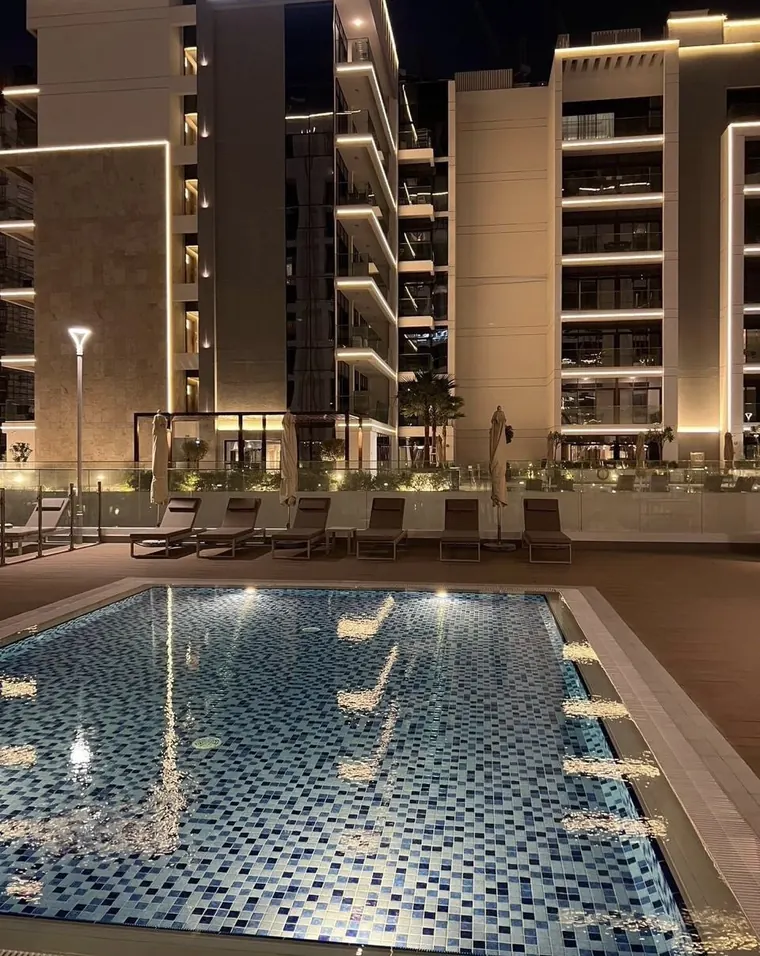
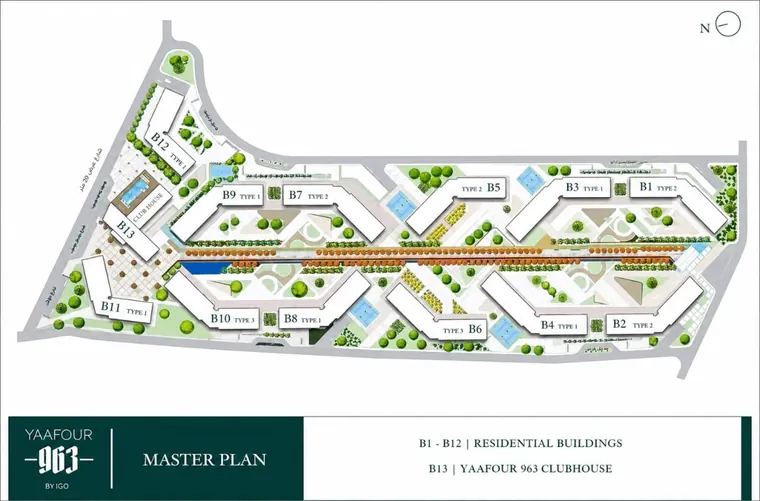
Looking at Marota now? See the current apartments for sale in Marota City and how the payment schedules work, or the Yaafour 963 development in rural Damascus.
Available now
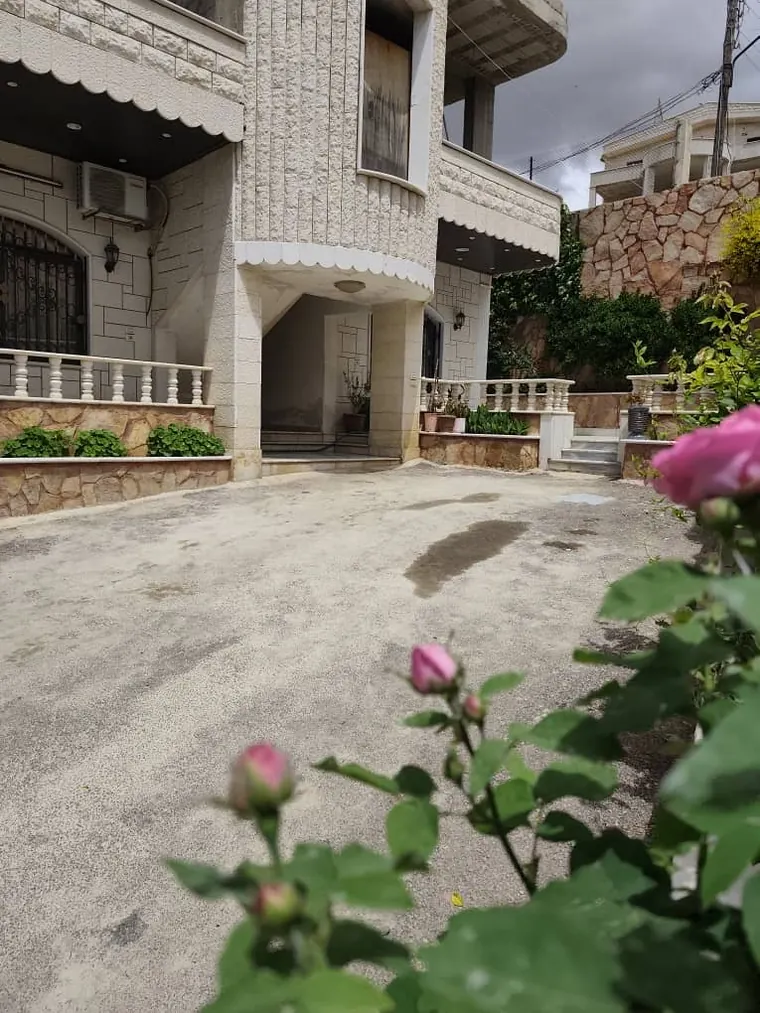
Current listings from our own book. Message us to arrange a viewing.
Did not find what you were looking for? Tell us the area and budget, and we will search, view and verify the deed for you.
Finding an apartment in Damascus just got easier — with Elmas
Four short steps. We only ask for your name and number.
Area You can pick more than one
Apartment details Optional — skip anything that does not matter
Approximate budget
How do we reach you?
We usually reply within one working hour. Your number is never shared.
We have your request.
Continue on WhatsAppConsidering Marota City?
Our office in Kafr Souseh is minutes from the site. We track the licensed plots and serious offers as they move, and we arrange site visits before you commit to anything.